
Chromebooks cannot run .exe files natively in ChromeOS. Windows installers and Windows apps are built for Windows, not ChromeOS.
You can still run some Windows apps on a Chromebook using one of three reliable workarounds, Linux + Wine, CrossOver, or Remote Desktop to a Windows PC. Use the quick chooser below so you do not waste time on a method that will not work for your device.
Quick answer, how to run exe files on Chromebook
- If you have an Intel Chromebook and Linux is available, use Linux (Crostini) + Wine.
- If you want the easiest setup, install CrossOver (paid, but simple).
- If Wine is not supported, you have an ARM Chromebook, or your Chromebook is managed, use Remote Desktop to a Windows PC.
Pick your method, then follow the steps. If Linux is blocked, jump straight to the Remote Desktop method.
Choose the best method for your Chromebook
The best way to open exe files on Chromebook depends on your CPU (Intel vs ARM), whether Linux is enabled, and whether your Chromebook is school or work managed.
- School or work managed Chromebook: Linux may be disabled by policy. Remote Desktop is usually the only practical option unless your admin enables Linux or Parallels.
- ARM Chromebook (many cheaper models): Wine and CrossOver support is limited. Remote Desktop is usually the fastest path.
- Intel Chromebook + Linux available: Start with Wine (free). If you want less tinkering, use CrossOver.
- You only need one specific Windows app: Try CrossOver first, then Wine. If it still fails, remote into Windows.
How to check your CPU quickly: open Settings and search for Diagnostics, then look for CPU info. You can also open chrome://system in Chrome and check the details, but the Diagnostics page is easier.
Can Chromebooks run EXE files?
Not directly in ChromeOS. ChromeOS does not have a Windows runtime, so double-clicking an .exe file will not install or launch it like it would on a Windows laptop.
You can run some .exe files on a Chromebook by using a compatibility layer (Wine/CrossOver) inside the Linux development environment, or by running the app on a Windows computer and controlling it remotely.
Compatibility reality check: drivers, antivirus installers, hardware utilities, and many modern 3D games (especially with anti-cheat) often fail. Performance depends on your CPU, RAM, and how heavy the app is.
How to run .exe files on a Chromebook: 3 working methods
Use these in order. Method 1 is the best for most people with Linux enabled. Method 3 works on basically any Chromebook.
- Method 1: Linux (Crostini) + Wine
- Method 2: CrossOver for ChromeOS
- Method 3: Remote Desktop to a Windows PC
- Other options: cloud Windows and Parallels
- Troubleshooting
- FAQ
Method 1 (best for most people): Linux (Crostini) + Wine
Wine runs some Windows apps inside Linux. On Chromebook, that means using the Linux development environment (Crostini).
Works best on: Intel Chromebooks with Linux enabled. May fail on: ARM Chromebooks, or devices with Linux disabled by school or work policies.
Before you start: plan for at least 5 to 10 GB of free storage. Wine and Windows app dependencies can take space fast.
Step 1: Enable Linux on Chromebook
-
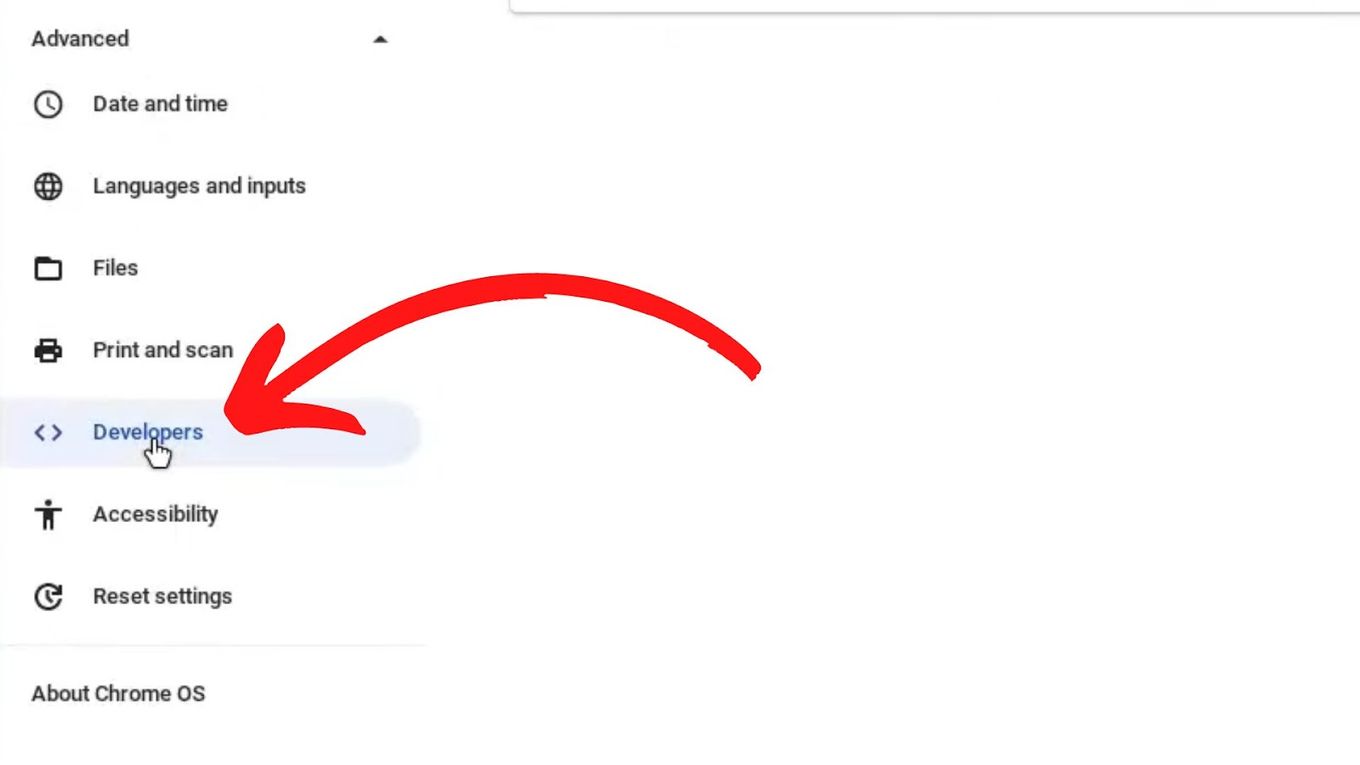
Open Settings, then go to Advanced and open Developers.

img: install-linux-chromebook
alt: How to Install Linux on a Chromebook -
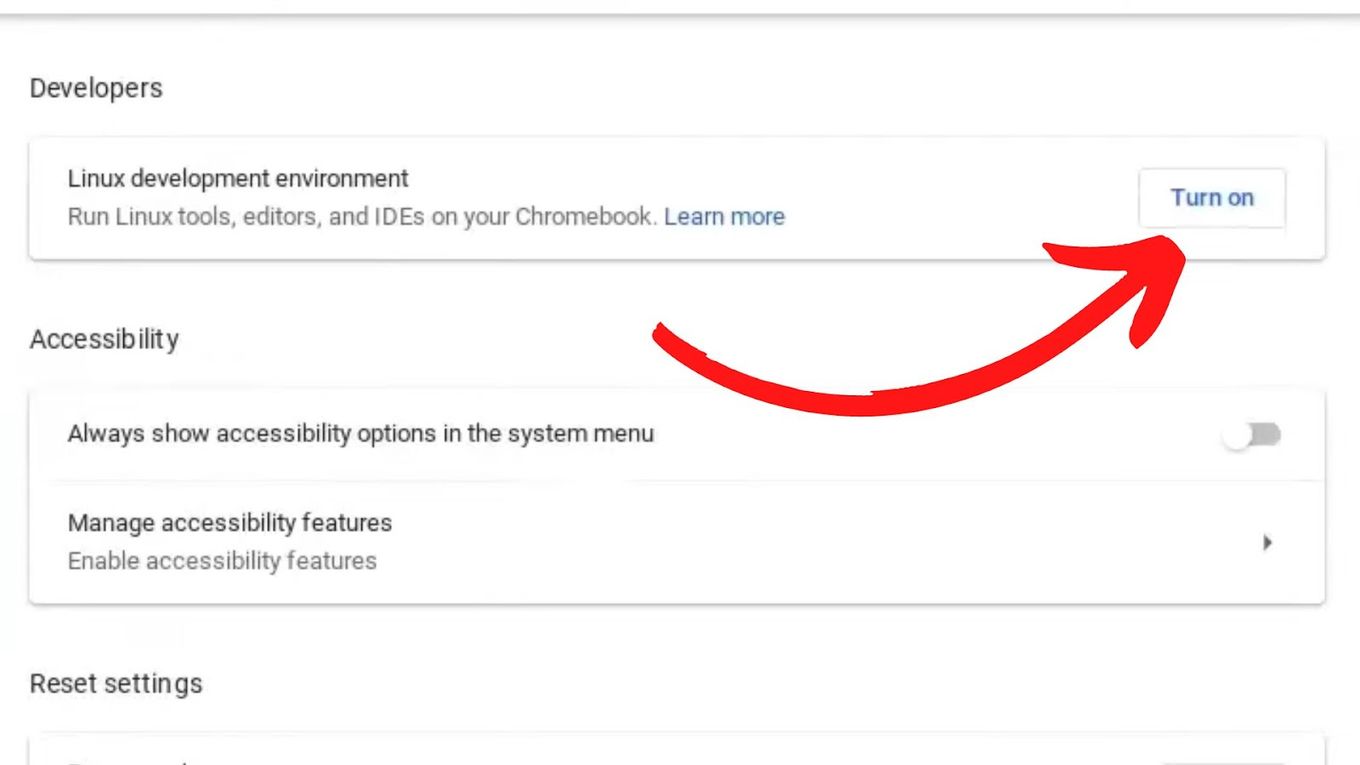
Turn on Linux development environment.
-
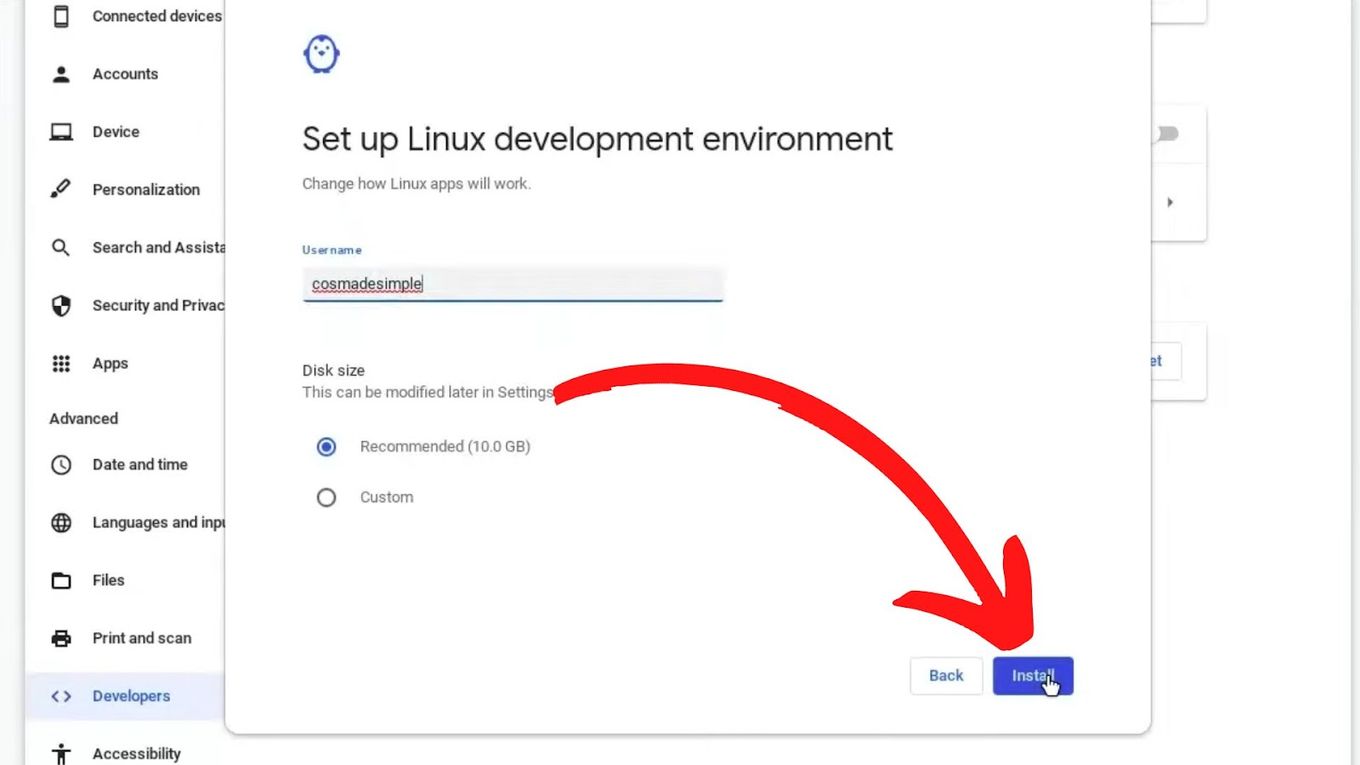
Click Next, choose your Linux username, and pick a disk size (the default is fine for most people). Then finish the install.
If Linux does not appear in Settings, jump to the troubleshooting section. A managed Chromebook is the most common reason.
Most “file not found” errors happen because the Linux container cannot see your Downloads folder or USB drive until you share it.
- Put the .exe file in Downloads, or plug in your USB drive.
- Open the Files app, right-click Downloads (or the USB drive), then click Share with Linux.
- Optionally, move the file into Linux files. That is the simplest location to work with.
Step 3: Install Wine (Chromebook-safe approach)
Start with the Wine package from Debian (the default Linux repo in Crostini). It is simpler and avoids repo and key problems. If you need a specific WineHQ build later, do it after you confirm your Debian version.
Open Terminal (from your app launcher under Linux apps), then run:
sudo apt update
sudo apt install wineCode language: JavaScript (javascript)
If you are trying to run an older 32-bit Windows app, you can try enabling 32-bit architecture first. Some Chromebooks handle this fine, others do not, especially on ARM.
sudo dpkg --add-architecture i386
sudo apt updateCode language: JavaScript (javascript)
Confirm Wine is installed:
wine --versionCode language: JavaScript (javascript)Set up Wine the first time (Wine may prompt to install extra components like Mono or Gecko). Install them if you want better app compatibility.
winecfgCode language: JavaScript (javascript)If Wine setup fails or prompts keep looping, skip ahead to CrossOver or Remote Desktop. Some apps just do not behave well in Wine on ChromeOS.
Step 4: Run the EXE (the command you actually need)
After the file is in Linux files or a shared folder, run it from Terminal.
-
Go to the folder where your EXE is stored. For Downloads (when shared with Linux), this path often works:
cd /mnt/chromeos/MyFiles/DownloadsCode language: JavaScript (javascript) -
Run the installer or app:
wine yourfile.exeCode language: JavaScript (javascript) -
If the filename has spaces, use quotes:
wine "Your File.exe"Code language: JavaScript (javascript)
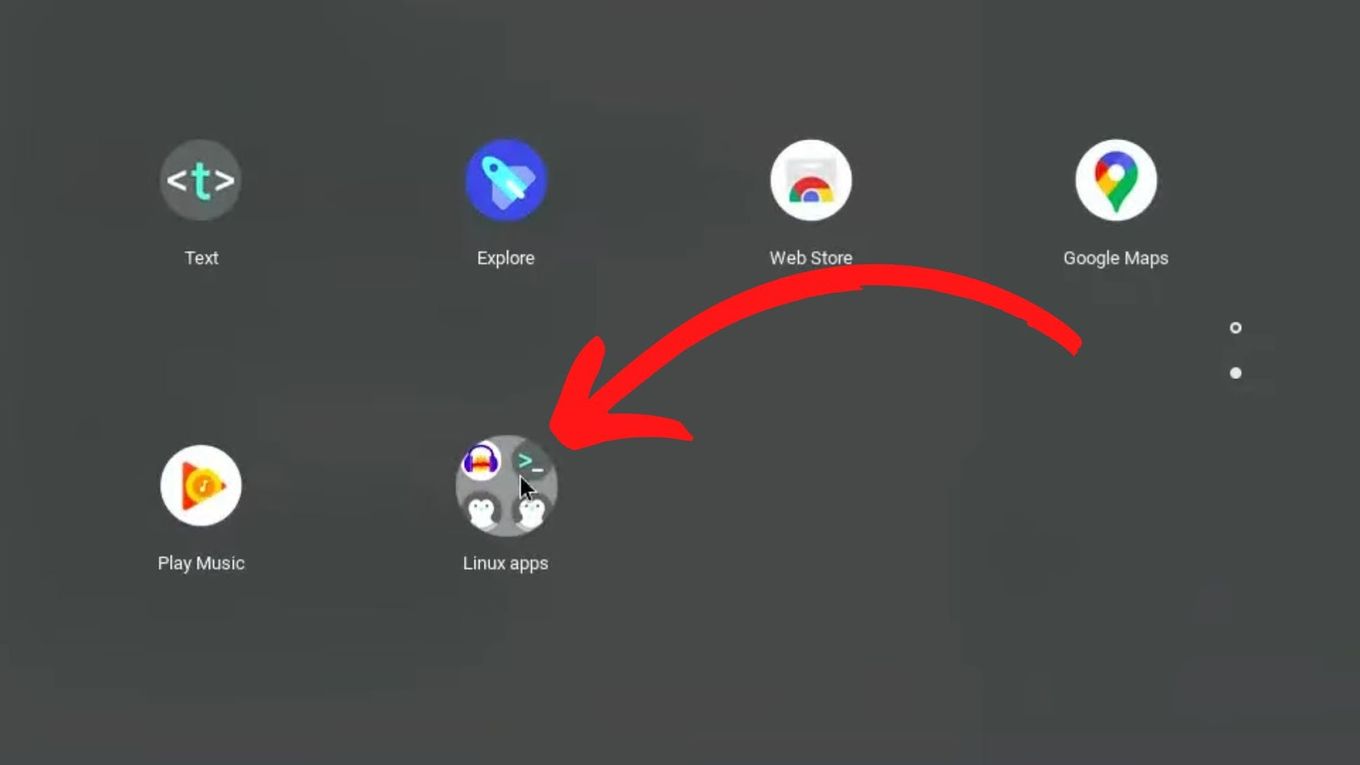
After installing, check your app launcher under Linux apps. Some Windows apps show up there, others only run when you launch them with Wine.
Step 5 (optional): Create a click-to-run shortcut
ChromeOS usually will not let you double-click an .exe in the Files app and run it like Windows. The smoother approach is to install the app, then launch it from Linux apps.
If you want a Windows-like folder shortcut for Wine files in Linux, you can create a symlink (replace username with your Linux username):
ln -s /home/username/.wine/drive_c/users/username/Desktop /home/username/wineCode language: JavaScript (javascript)If your exe fails in Wine, try CrossOver or run it via Remote Desktop.
Did you know that by installing Linux you can also use OBS on Chromebook?
Method 2 (easiest): CrossOver for ChromeOS
CrossOver is a paid app built on Wine, but with a friendlier installer and app-specific tweaks. If you want the simplest local way to open exe files on Chromebook, CrossOver is usually less frustrating than manual Wine setup.
Best for: beginners, productivity apps, older Windows software. Often fails for: anti-cheat games, driver installers, hardware utilities.
-
Enable Linux development environment if you have not already (Settings, Advanced, Developers).
-
Download CrossOver for ChromeOS.
-
Install it (you will typically use Install with Linux when you right-click the downloaded file).
-
Open CrossOver, choose Install Windows Software, then select a listed app or pick Unlisted application.
-
Select your installer .exe from Linux files (move the file there first, or share the folder with Linux), then follow the prompts.
If CrossOver does not recognize your EXE or the install crashes, do not keep retrying for an hour. Switch to Remote Desktop for guaranteed compatibility.
Method 3 (works on any Chromebook): Remote Desktop to Windows
Note: This method requires an additional Windows Computer
Remote Desktop is the most reliable answer when people ask “how to run exe files on Chromebook”. The EXE runs on the Windows computer, and your Chromebook just shows the screen and sends keyboard and mouse input.
If your Chromebook is managed by school or work, assume your activity can be monitored and your admin can block features. Use company rules and common sense.
Option A: Chrome Remote Desktop (simple)
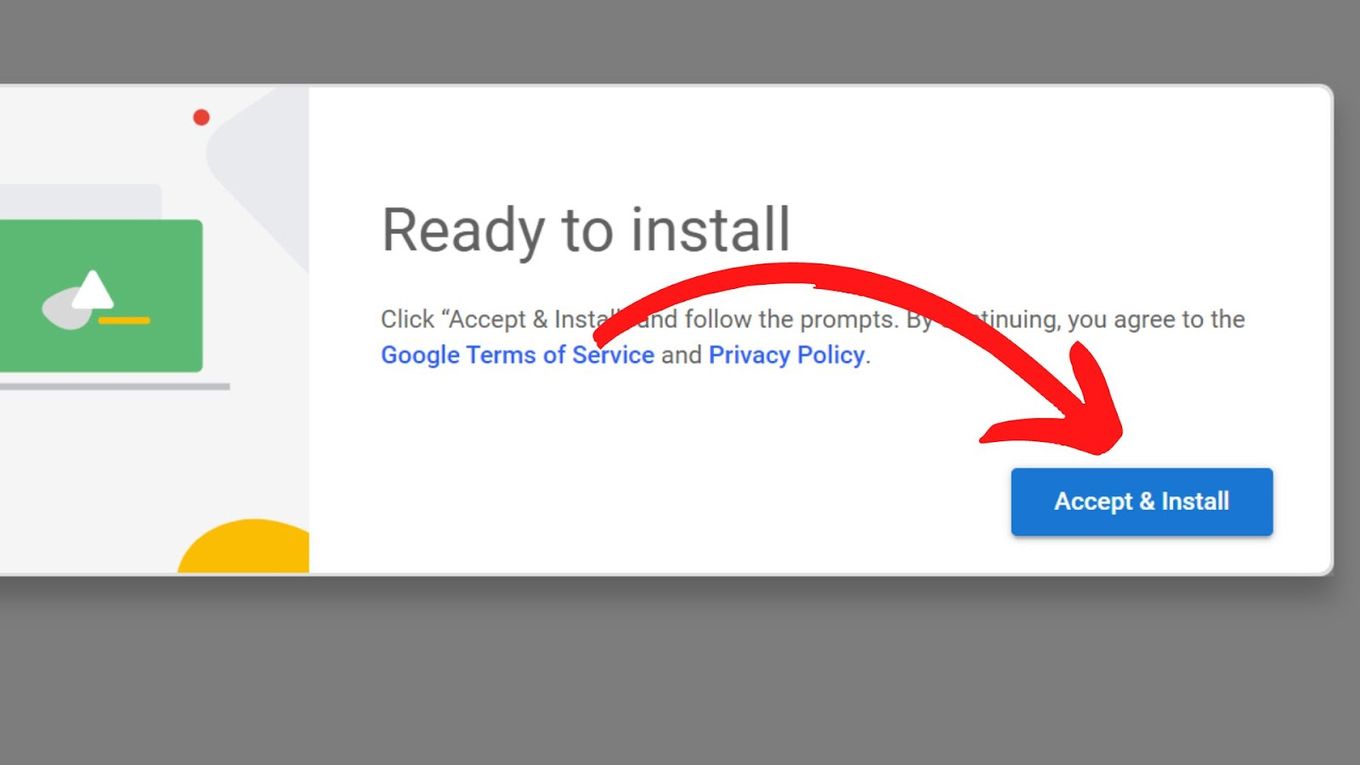
Here are the steps to run .exe files on a Chromebook using Chrome Remote Desktop:
-
Step 1: Download & install Chrome Remote Desktop on your Windows computer.
-
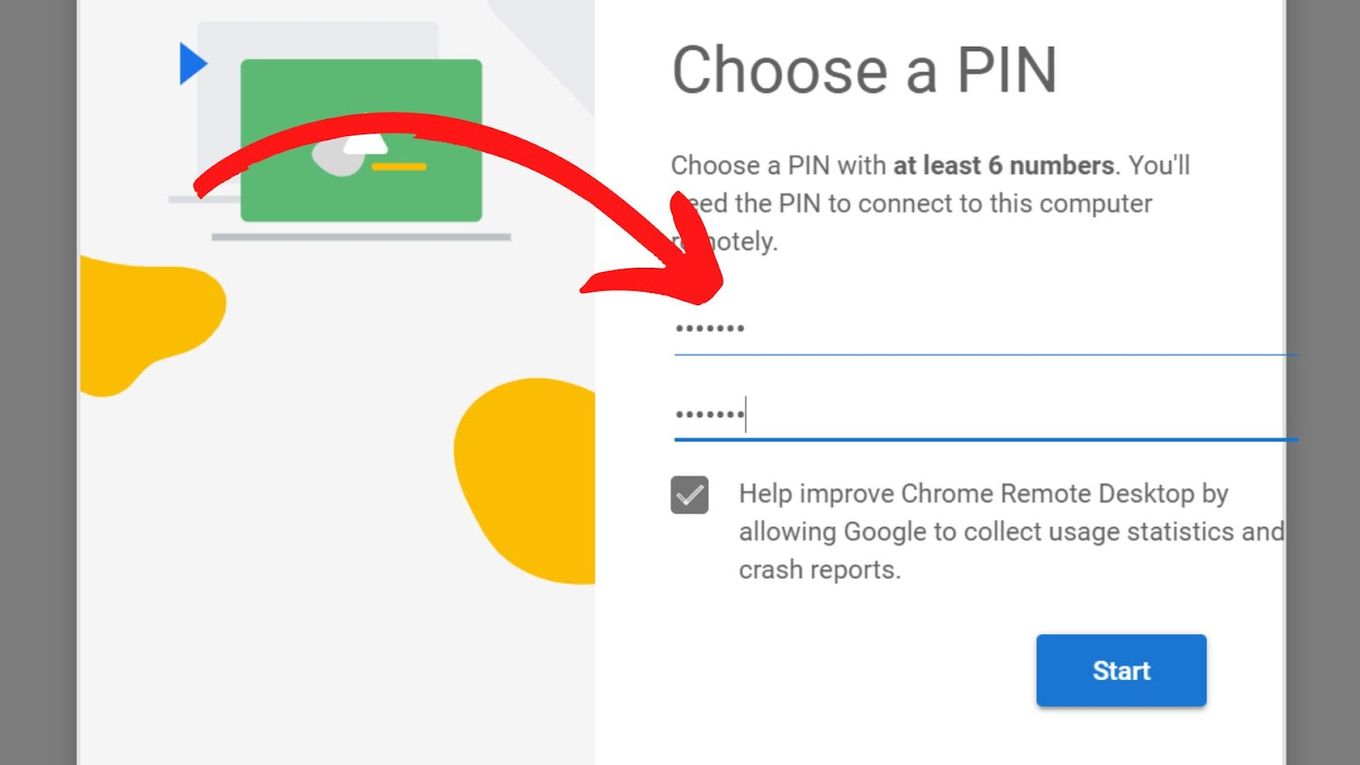
Step 2: Set a PIN.
Enter the necessary information, choose a PIN, then click start.
-
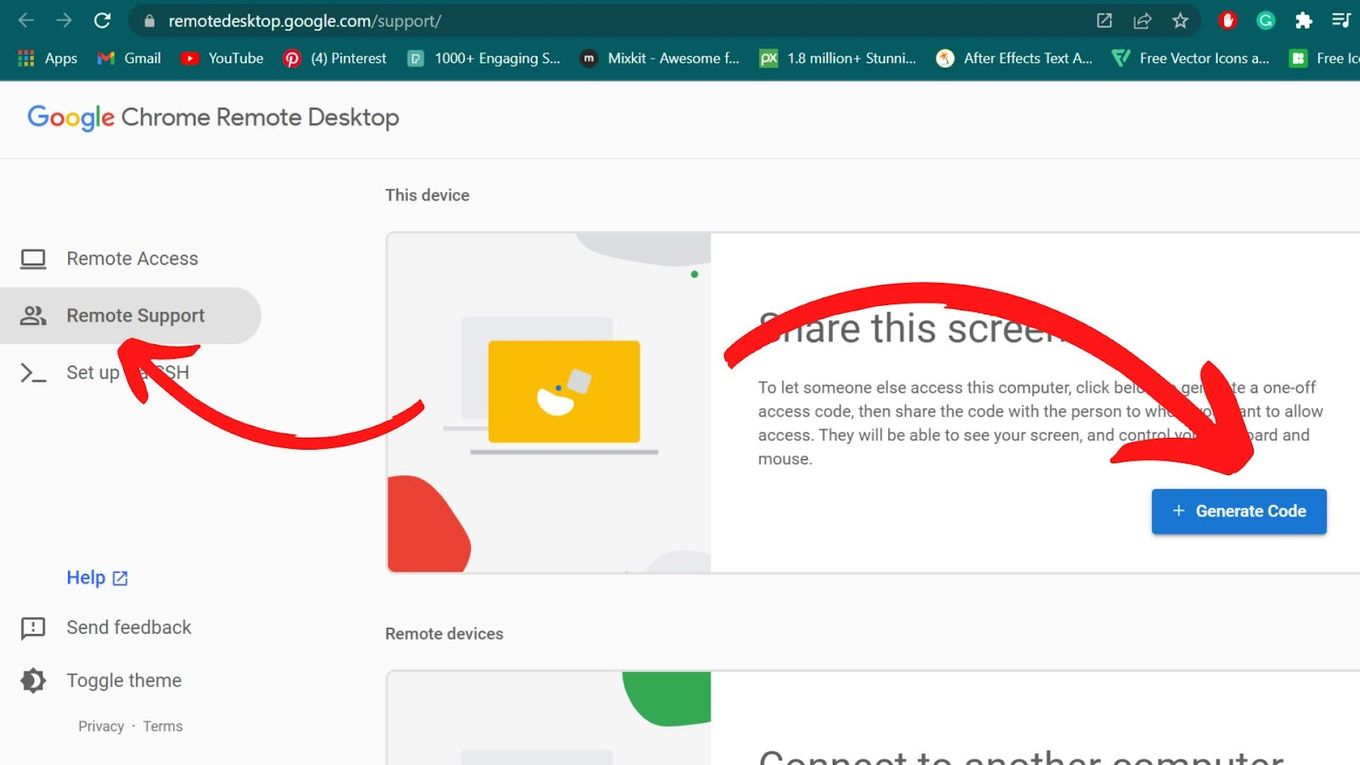
Step 3: Go to “Remote Support” and choose “+ Generate Code”.
You will need this code later to access your Windows PC from the Chromebook.
-
Step 4: On your Chromebook, go to “Chrome Remote Desktop’s website“.
- Step 5: Click “Access”
- Step 6: Input the code you generated earlier.
Once connected, open the EXE on the Windows computer and use it from your Chromebook screen.
Option B: Microsoft Remote Desktop (when your setup supports it)
If you have access to a Windows Pro/Enterprise PC set up for RDP, your IT team might prefer Microsoft Remote Desktop or another managed remote tool. The core idea is the same, run the EXE on Windows, control it from your Chromebook.
Set up Chrome Remote Desktop on your Windows PC now, then you can use Windows apps from any Chromebook without fighting Wine errors.
Learn how to Jailbreak a Chromebook and have total control over it.
Other options (cloud Windows, enterprise)
Run Windows in the browser (AppOnFly or a cloud PC)
AppOnFly is a cloud-based remote desktop service that streams a Windows environment in your browser. It can be handy when you do not have your own Windows PC, but performance depends on your internet connection and the plan you choose.
If you are uploading installers or documents, treat it like any other third-party service. Avoid sensitive work or school files unless you trust the provider and your policy allows it.
To run .exe files on a Chromebook, sign up for a free trial and run your files online through the remote desktop.
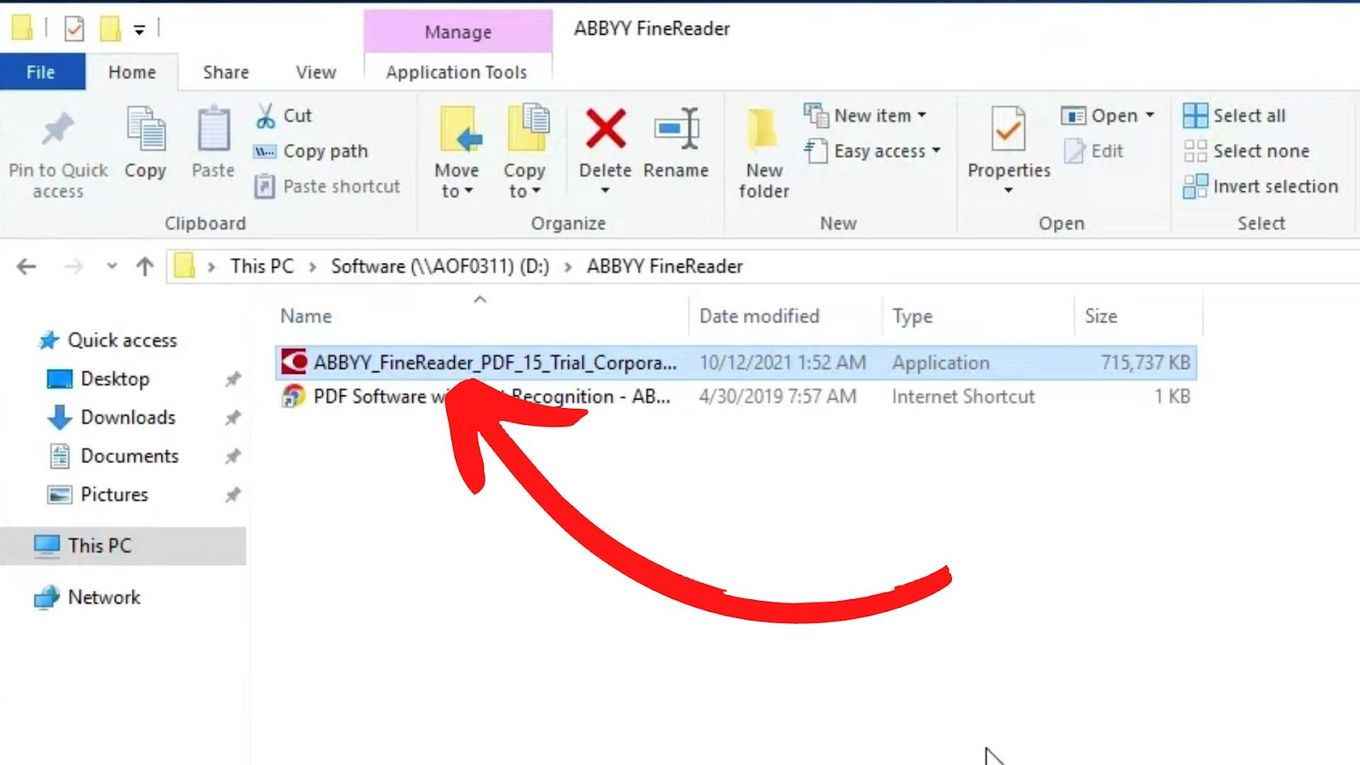
Parallels Desktop for Chromebook Enterprise
Parallels can run Windows in a VM on some Chromebook Enterprise devices. Most personal Chromebooks cannot use it. It usually needs supported hardware and admin setup.
You will need a Windows disc image (ISO file) to use this method. Check also the minimum system requirements to use it.
-
Step 1: Download & Install “Parallels Desktop for ChromeOS“.
-
Step 2: Download “Windows Disc Image” (.iso file) on your “Downloads” folder.
-
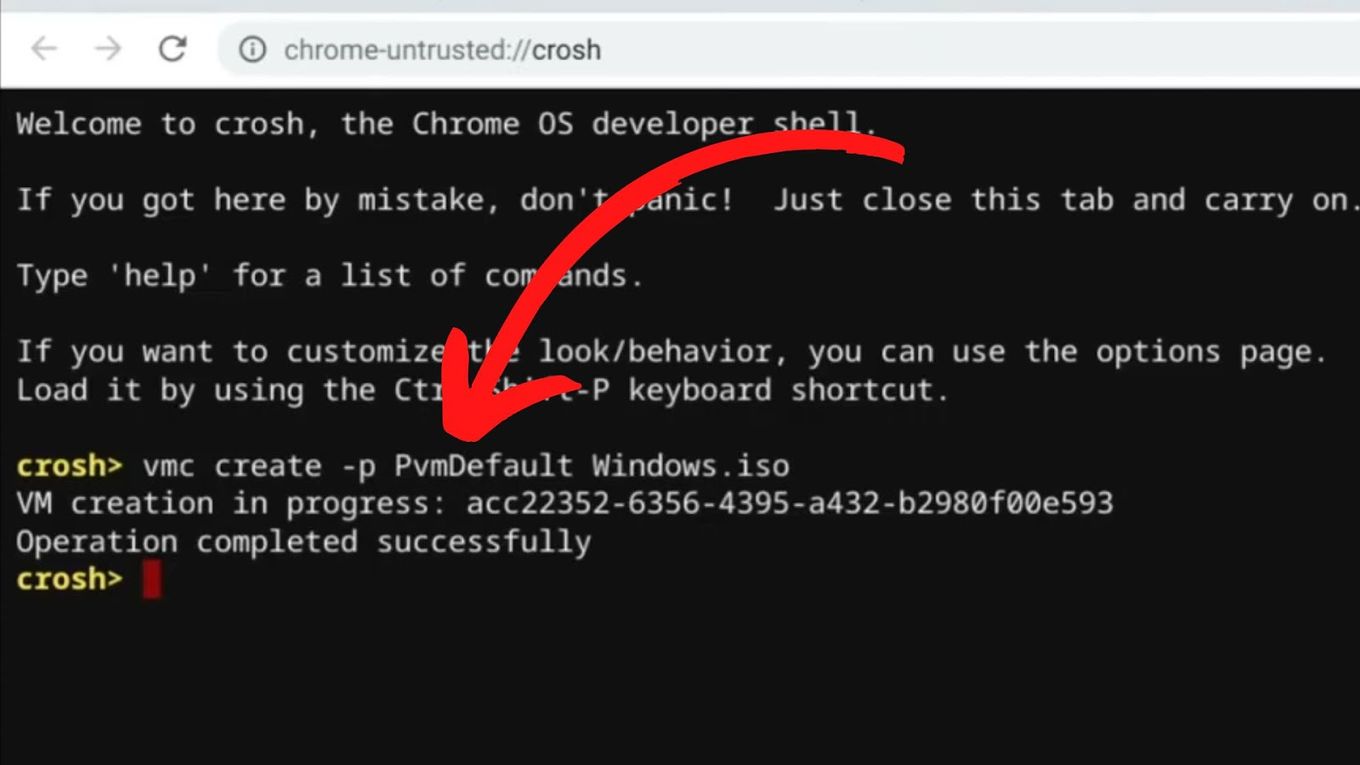
Step 3: Create a “Windows Virtual Machine“.
Open Chrome and press “Ctrl + Alt + T” to open the Crosh Terminal. Enter the following command :
vmc create -p PvmDefault <filename.iso>.Code language: JavaScript (javascript)Where the filename is the name of your Windows .iso disk image file.
-
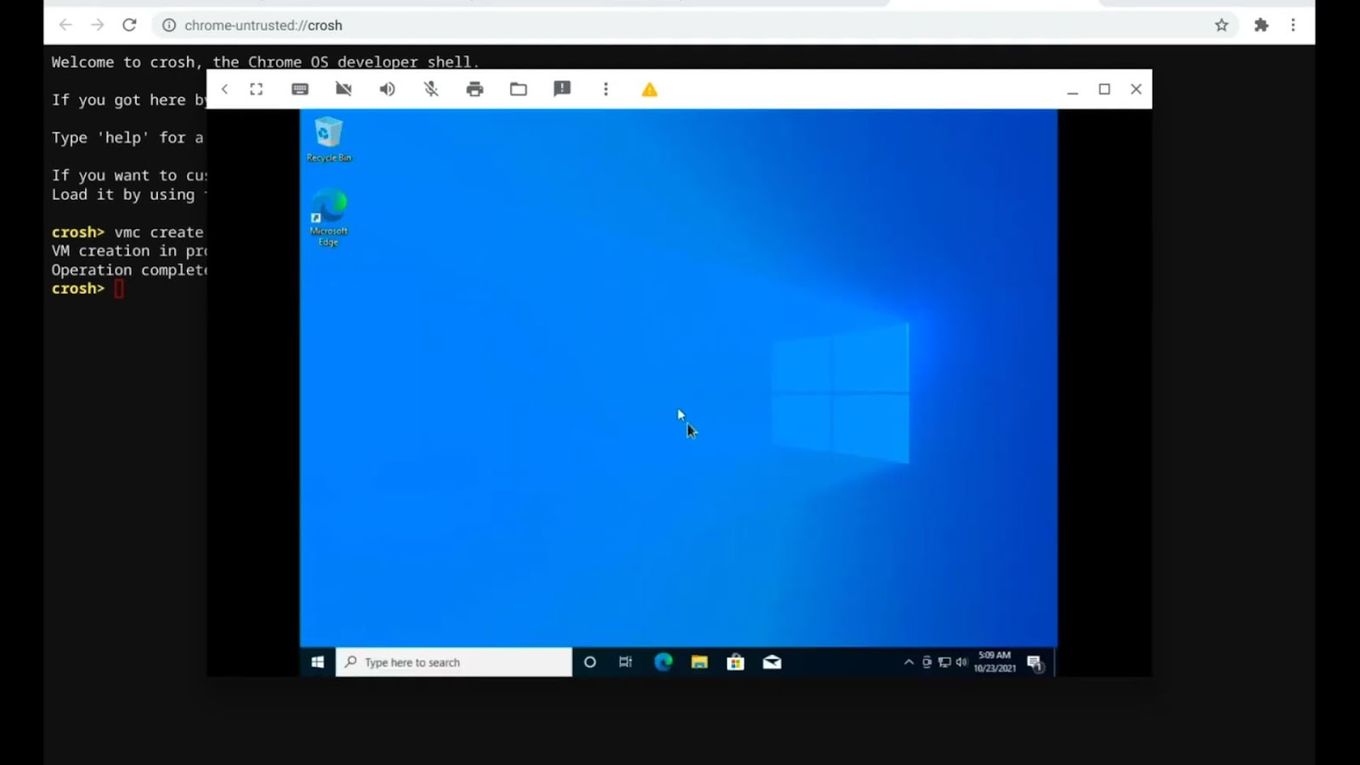
Step 4: Start “Parallax Desktop“.
-
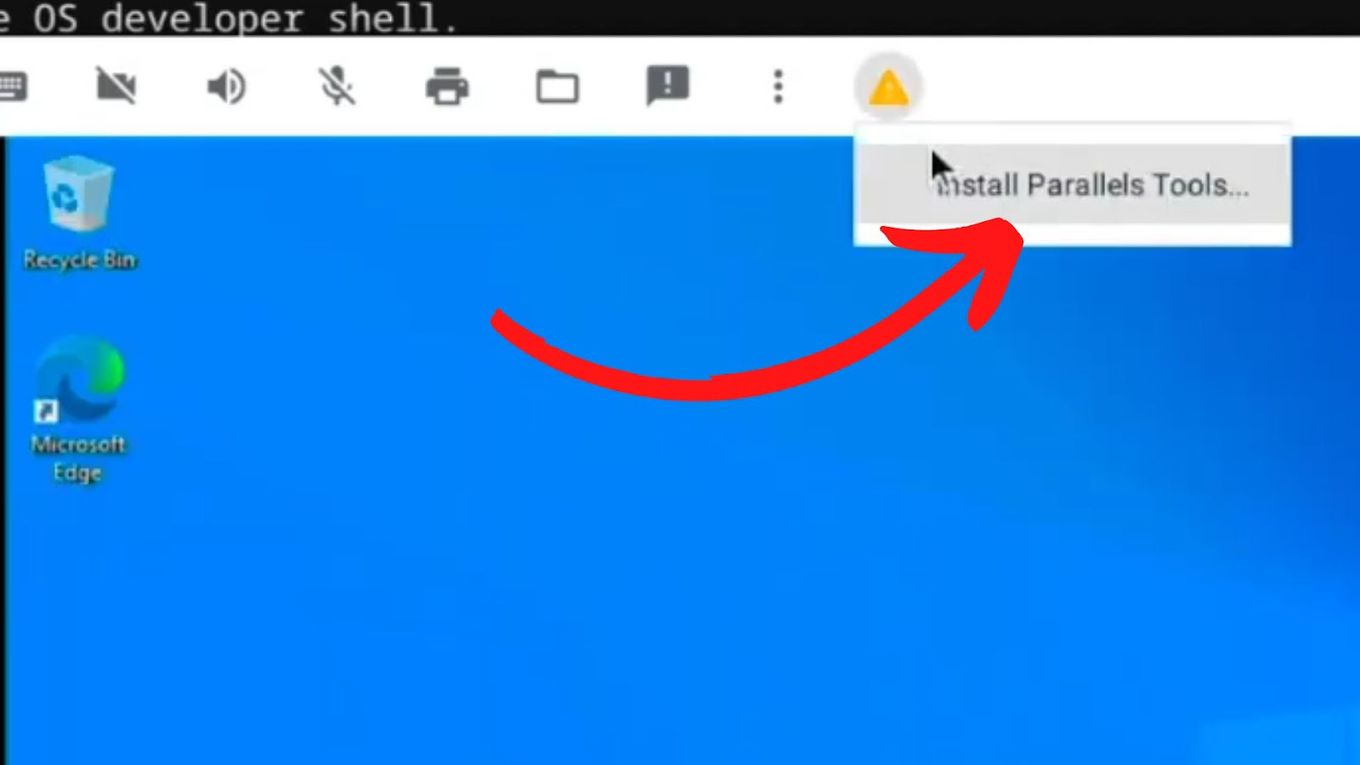
Step 5. Install “Parallels Tools” to add a set of Windows drivers.
-
Step 5. Open any .exe file.
Troubleshooting: why your EXE is not opening
“Linux is missing in Settings”
That usually means one of these is true:
- Your Chromebook is managed by school or work, and Linux is blocked by policy.
- Your model does not support Linux, or it is not updated.
- Your admin disabled it. Ask them to enable Linux development environment if you need it for class or work.
If you cannot enable Linux, skip Wine and use Remote Desktop.
“wine: command not found”
Wine is not installed, or the install did not finish. Try:
sudo apt update
sudo apt install wine
wine --versionCode language: JavaScript (javascript)
If apt reports broken packages, run sudo apt --fix-broken install and try again.
“File not found” or “cannot access” (but the EXE is in Downloads)
Linux cannot see your Downloads folder until you share it.
- Open the Files app, right-click Downloads, click Share with Linux.
- Or move the EXE to Linux files and run it from there.
Your EXE is on a USB drive
Plug in the drive, open Files, right-click the USB drive, then choose Share with Linux. After that, run the file from Terminal using the correct folder path.
EXE has spaces in the filename
Use quotes:
wine "My App Installer.exe"Code language: JavaScript (javascript)The app is 32-bit
Some older Windows apps are 32-bit only, and that can be a pain on modern Linux setups. Try enabling 32-bit architecture:
sudo dpkg --add-architecture i386
sudo apt updateCode language: JavaScript (javascript)
If you are on ARM, 32-bit Windows apps under Wine are hit-or-miss. Remote Desktop is usually the fix.
Nothing happens after running Wine
Run the EXE from Terminal (not by clicking it) so you can see the error output. Then try:
- Run
winecfgagain and complete any prompts for components. - Try a different EXE version (older installers often work better).
- Switch to CrossOver for a smoother install flow.
- If you need guaranteed results, use Remote Desktop.
Limitations and safety tips
Running Windows .exe files on a Chromebook comes with tradeoffs. A few habits will save you from malware and wasted time.
- Do not download random EXE files. Stick to official sites when possible.
- Scan the file first. VirusTotal is a quick second opinion, even if you plan to run it in Wine.
- Expect compatibility gaps. If the app needs drivers, deep Windows components, or anti-cheat, plan on Remote Desktop instead.
- On a school or work Chromebook, assume restrictions and monitoring. Admins can block Linux, block remote tools, and see network activity.
Which method should you use?
If you want to run an exe file on your Chromebook locally, start with Wine when you have an Intel Chromebook and Linux enabled. Use CrossOver when you want the easiest local install. Use Remote Desktop when your Chromebook is managed, you have an ARM CPU, or the app just will not cooperate.
- Wine: best if you are okay with Terminal commands and light troubleshooting.
- CrossOver: best if you want a UI and fewer setup headaches.
- Remote Desktop: best if you need it to work no matter what Chromebook you have.
FAQ
Can Chromebooks run exe files natively?
No. ChromeOS cannot run .exe files by itself. You need Linux + Wine, CrossOver, or a remote Windows computer.
How do I open exe files on Chromebook without Linux?
Use Remote Desktop to a Windows PC, or a cloud Windows service. ChromeOS alone cannot open an .exe like Windows.
Does Wine work on ARM Chromebooks?
Sometimes, but support is limited and many Windows apps will not run. Remote Desktop is usually the better option on ARM.
Why can’t I find Linux (Crostini) in Settings?
Your Chromebook may be school or work managed, Linux may be blocked by policy, or your model may not support Linux. If you cannot enable it, use Remote Desktop.
How do I run an exe from the Chromebook Files app?
You usually cannot run an .exe by double-clicking it in ChromeOS. Move it to Linux files (or share the folder with Linux), then run it from Terminal with wine yourfile.exe, or install it through CrossOver.
Do I need to move the exe into Linux files?
Not always, but it helps. Either move the EXE into Linux files, or right-click the folder (like Downloads or a USB drive) and choose Share with Linux.
Why does Wine say the file is missing when it’s in Downloads?
Downloads is not visible to Linux until you share it. In the Files app, right-click Downloads and select Share with Linux, then try again.
What exe files usually do not work on Chromebook?
Apps that install drivers, antivirus tools, many modern games with anti-cheat, and hardware utilities often fail in Wine or CrossOver. Remote Desktop is the workaround.
Is CrossOver better than Wine on ChromeOS?
CrossOver is often easier because it handles a lot of setup for you and provides guided installs. Wine is free and flexible, but you will troubleshoot more.
Is it safe to run Windows exe files on a Chromebook?
It can be safe if you download from trusted sources and scan files first, but an EXE is still a common malware format. Treat unknown installers as risky, even if you run them through Wine.