
If you’re searching for how to jailbreak a Chromebook, you probably want fewer restrictions and more control than standard ChromeOS allows. Most “Chromebook jailbreak” guides mean enabling Developer Mode. Some also mean running Linux, booting from USB, or replacing firmware for full OS installs.
Developer Mode wipes local data, and school or work managed Chromebooks often block it. If your device is enrolled, the only reliable fix is help from the admin.
- What does “jailbreak a Chromebook” mean?
- What should you check before you jailbreak a Chromebook?
- How to jailbreak a Chromebook (Developer Mode)
- What can you do after you jailbreak a Chromebook?
- Can you jailbreak a school Chromebook?
- Risks
- Troubleshooting
What does “jailbreak a Chromebook” mean?
A Chromebook “jailbreak” usually means enabling Developer Mode to turn off OS verification and get deeper access than normal ChromeOS allows. It can also mean installing Linux or replacing firmware so the Chromebook can boot other operating systems.
Developer Mode vs Linux vs firmware replacement, what people call “jailbreak”
| What you do | What you get | Difficulty and risk |
|---|---|---|
| Developer Mode | OS verification off, developer access, more freedom for tools and tweaks | Easiest, but triggers a Powerwash and reduces security |
| Linux (Crostini) | Linux apps inside ChromeOS | Safest, often no “jailbreak” needed, may be blocked on managed devices |
| Crouton | Full Linux desktop alongside ChromeOS (older method) | Needs Developer Mode, not officially supported |
| Firmware changes (RW_LEGACY/UEFI) | Boot from USB more reliably, or replace firmware for full Linux or Windows installs | Advanced, model-dependent, can require removing write protection, bricking risk |
Is “jailbreaking” the same as bypassing school admin controls?
No. If a Chromebook is enterprise-enrolled (managed by a school or workplace), policies can disable Developer Mode, force re-enrollment after a reset, and block Linux features. You usually cannot remove that control without admin access.
What should you check before you jailbreak a Chromebook?
Confirm whether your Chromebook is managed, back up local files, and identify your CPU type and model.
Quick warning: Developer Mode triggers a Powerwash (local wipe). Managed devices may block Developer Mode. Turning off OS verification reduces security.
Will this erase my files and settings?
Yes. Enabling Developer Mode performs a Powerwash, which removes locally stored data and settings. Back up your Downloads folder, screenshots, and any offline files. Files in Google Drive stay safe, and many Chrome settings return after you sign back in.
Can this affect warranty or security?
It can. Some manufacturers may treat Developer Mode or firmware changes as unsupported. Security also drops because OS verification is off, so avoid unknown scripts and protect your Google account with a strong password and 2-step verification.
Is your Chromebook Intel or ARM, and does it matter?
Yes. Windows installs and many firmware tools are typically Intel-focused. ARM models usually do best with Crostini or ARM-supported Linux distros, but hardware support varies.
Is the Chromebook school-managed (enterprise enrolled)?
Open Settings and look for “Managed by …”. Other signs include forced logins, blocked settings, and extensions you cannot remove. If it’s managed, Developer Mode may be blocked and resets may re-enroll automatically.
How do you jailbreak a Chromebook by enabling Developer Mode?
Enable Developer Mode. It turns off OS verification and enables developer access, but wipes local data.
Important: Back up local files first. Developer Mode erases local data.
- Back up anything in Downloads and offline files.
- Turn off the Chromebook.
- Enter Recovery Mode: press Esc + Refresh + Power.
- Enable Developer Mode: use Ctrl + D (older flow) or Advanced options (newer flow).
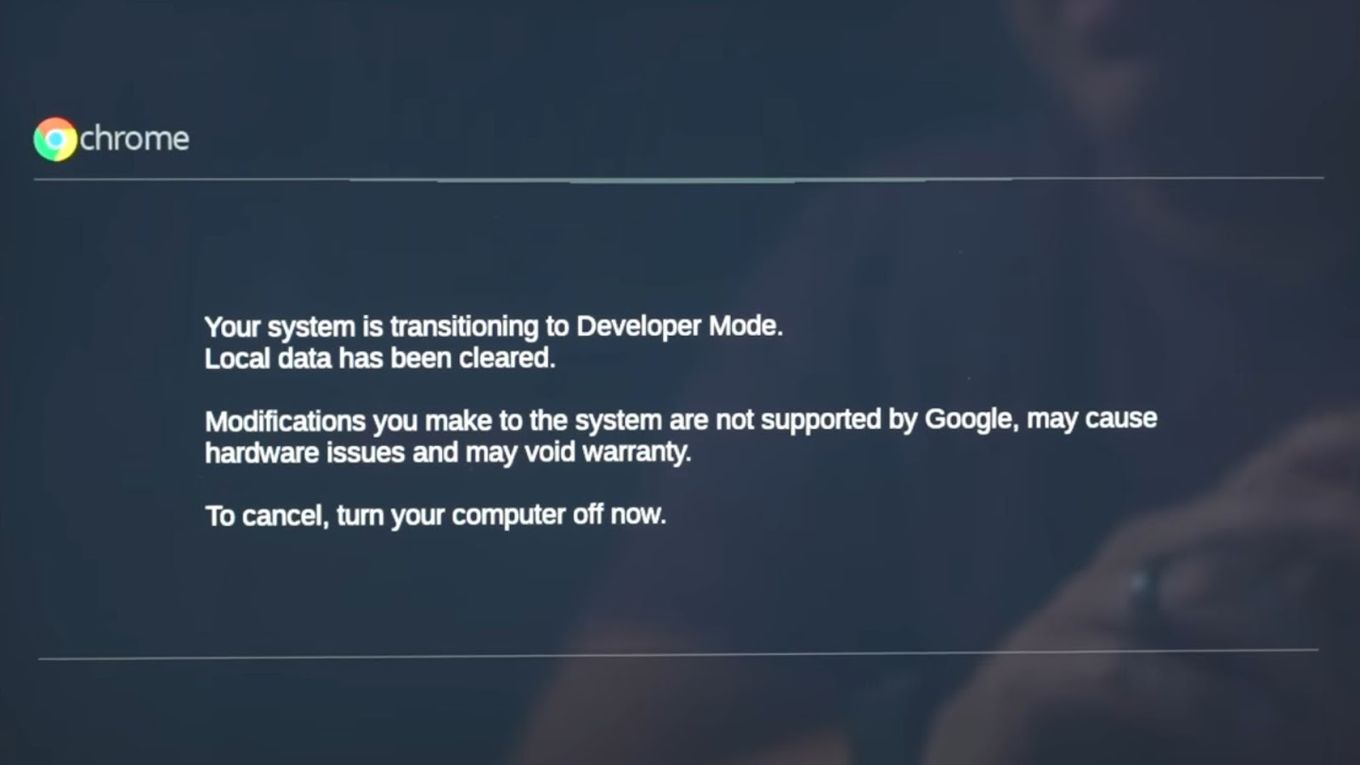
- Confirm, then wait while the device transitions (Powerwash included).
- On “OS verification is off”, press Ctrl + D (or choose Boot from internal disk).
- Complete ChromeOS setup.
Depending on your ChromeOS version, you’ll see one of two Developer Mode screens.
If you see the old Developer Mode screen, use this path
Use this if the recovery screen tells you to press keys instead of showing a menu.
-
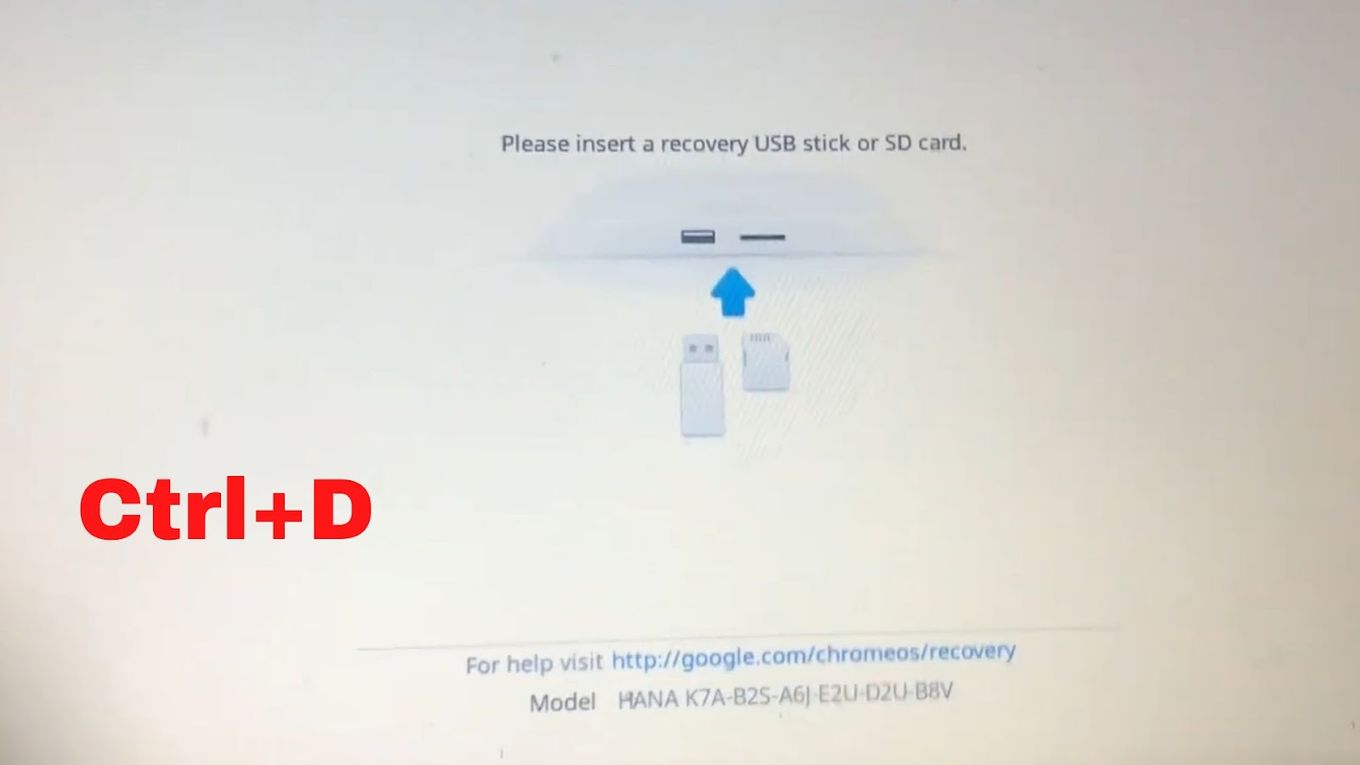
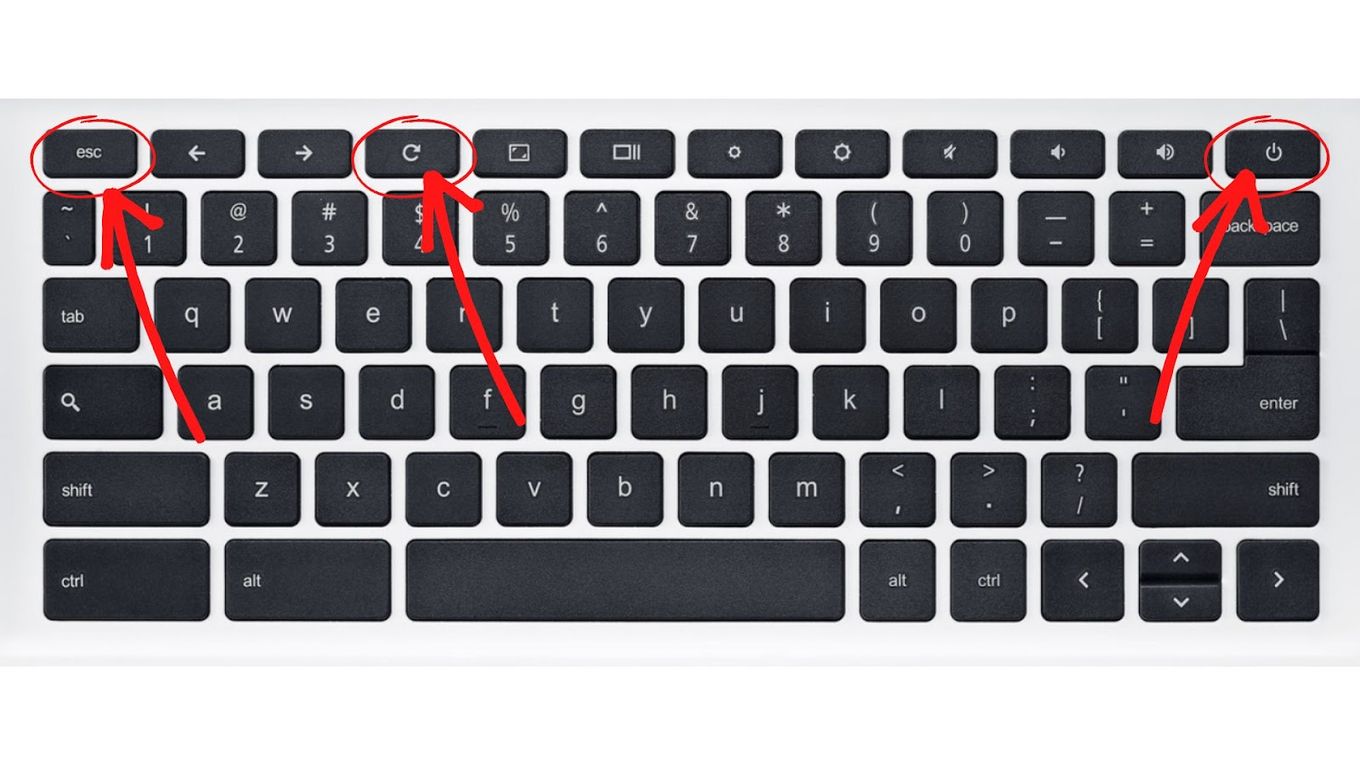
Step 1: Hold Esc + Refresh + Power to enter Recovery Mode.

-
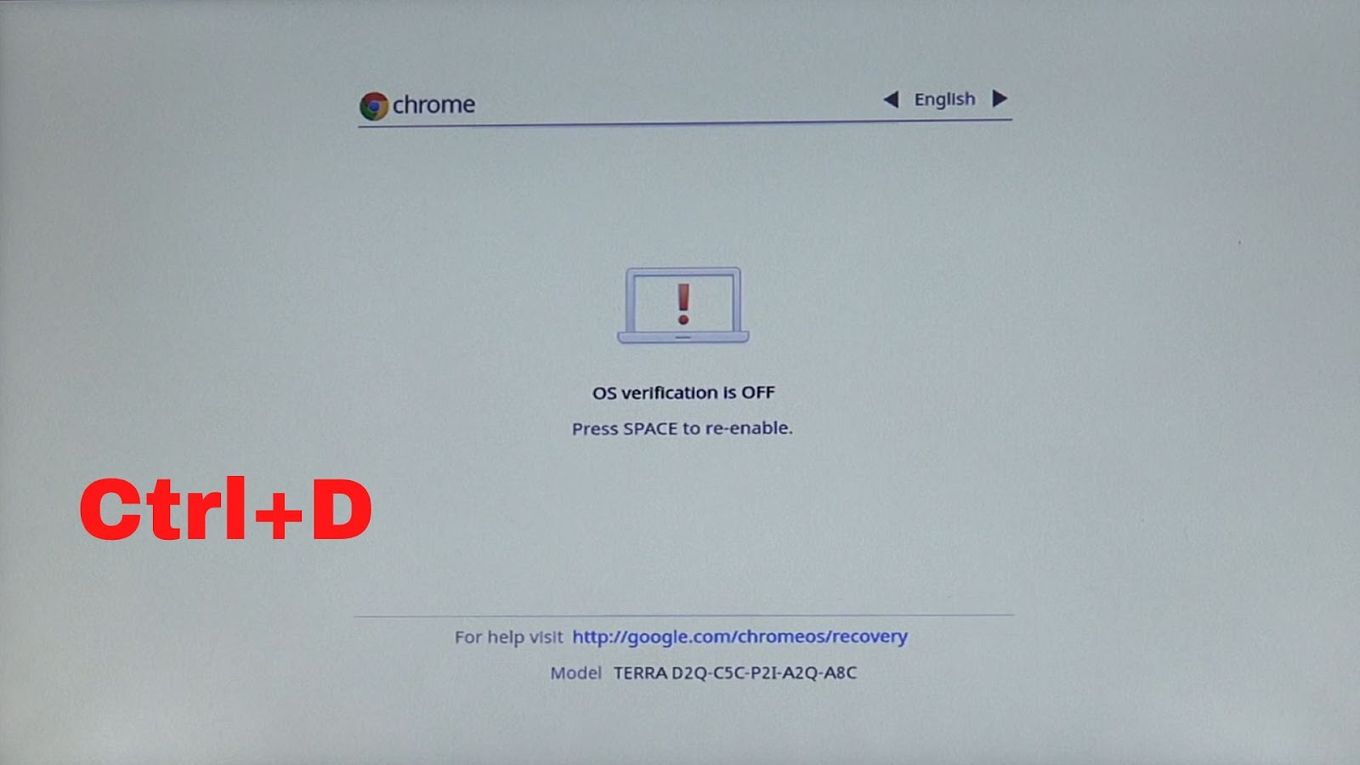
Step 2: On the recovery screen, press Ctrl + D.
-
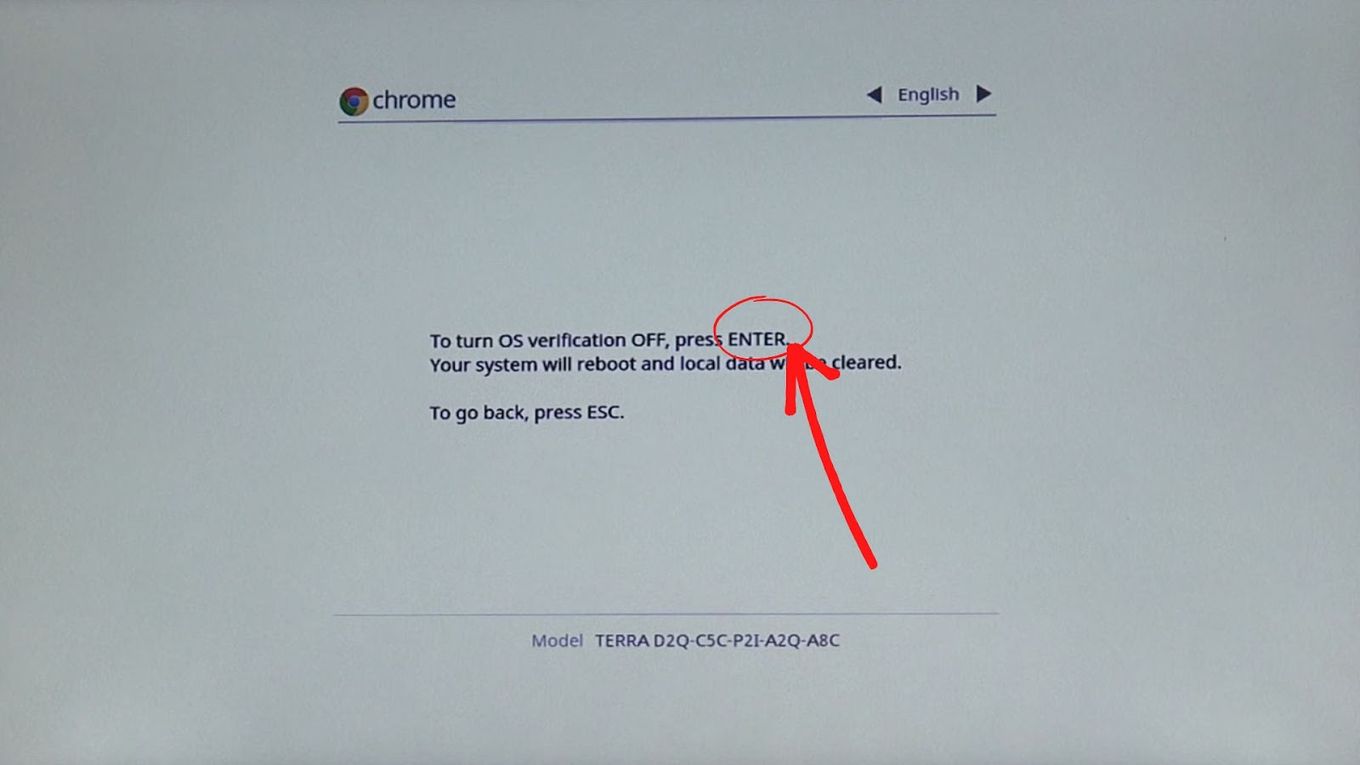
Step 3: Press Enter to turn OS verification off.
-
Step 4: After reboot, at “OS verification is off”, press Ctrl + D to boot.
-
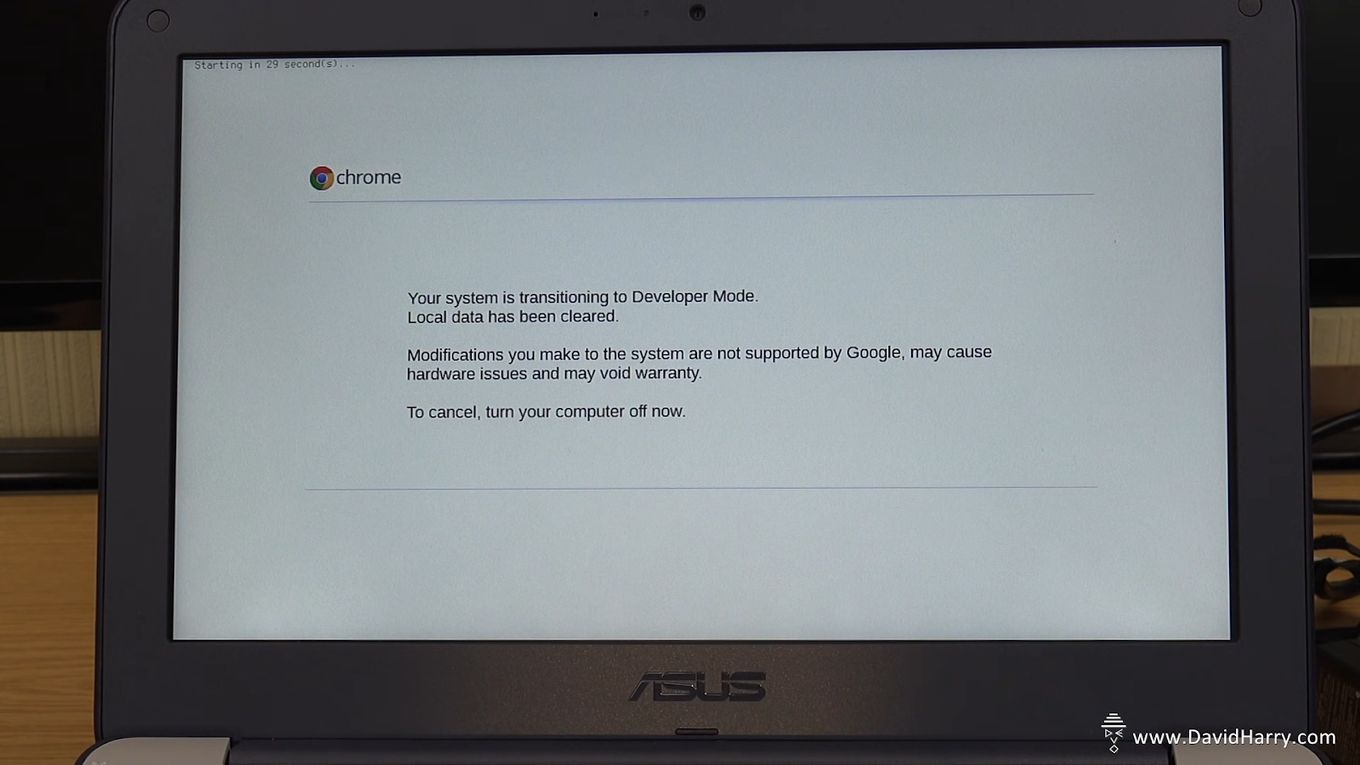
Step 5: Wait until ChromeOS finishes switching to Developer Mode, then sign in.
Developer Mode is now enabled.
If you see the new Developer Mode UI, use this path
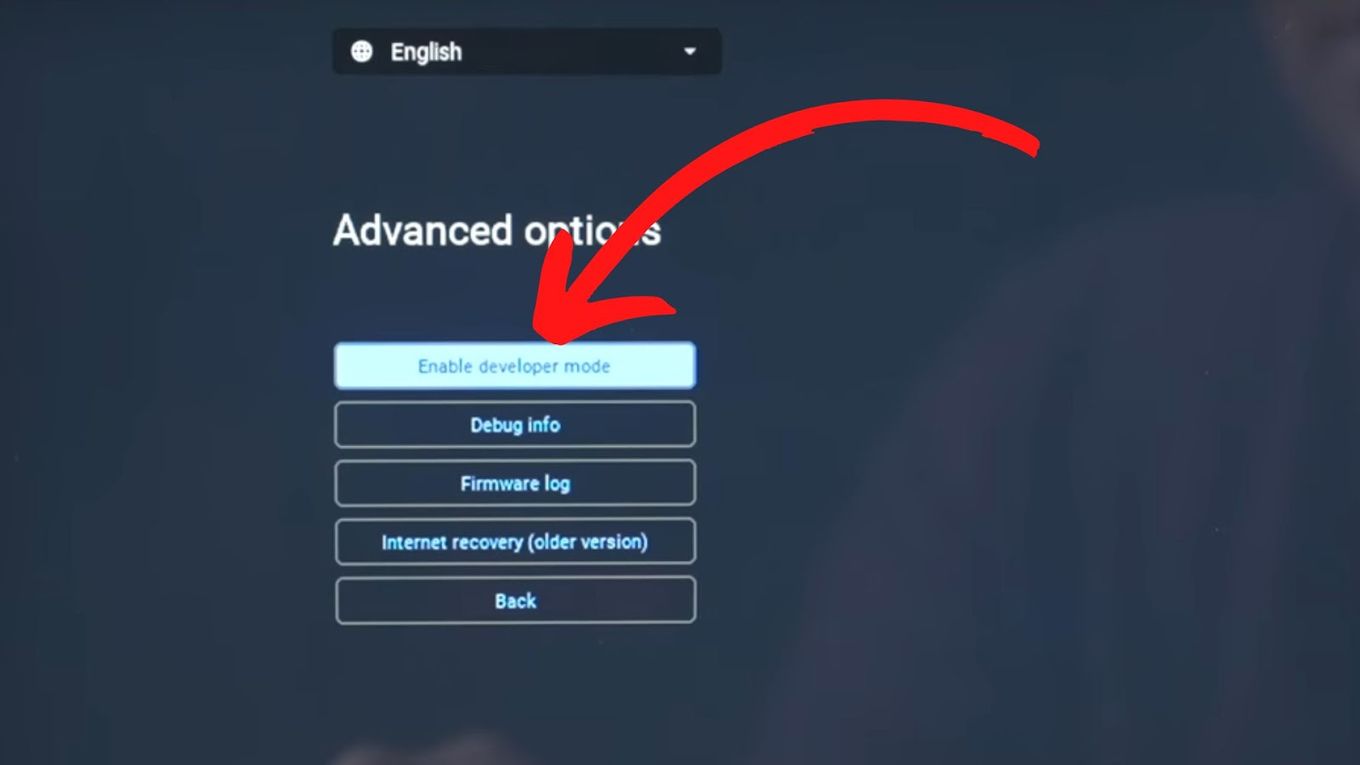
Use this if you see menu options like “Advanced options”.
-
Step 1: Press Esc + Refresh + Power to enter Recovery Mode.
-
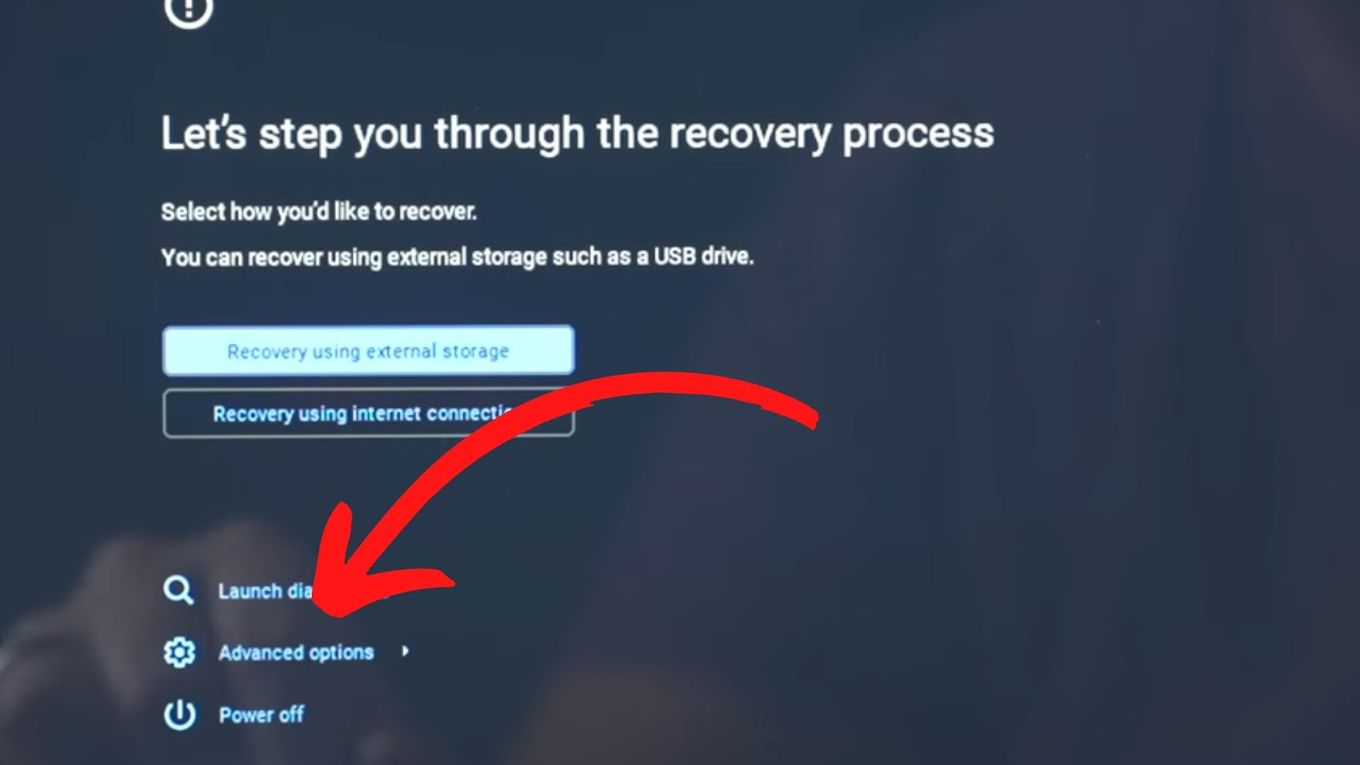
Step 2: Select Advanced options.
-
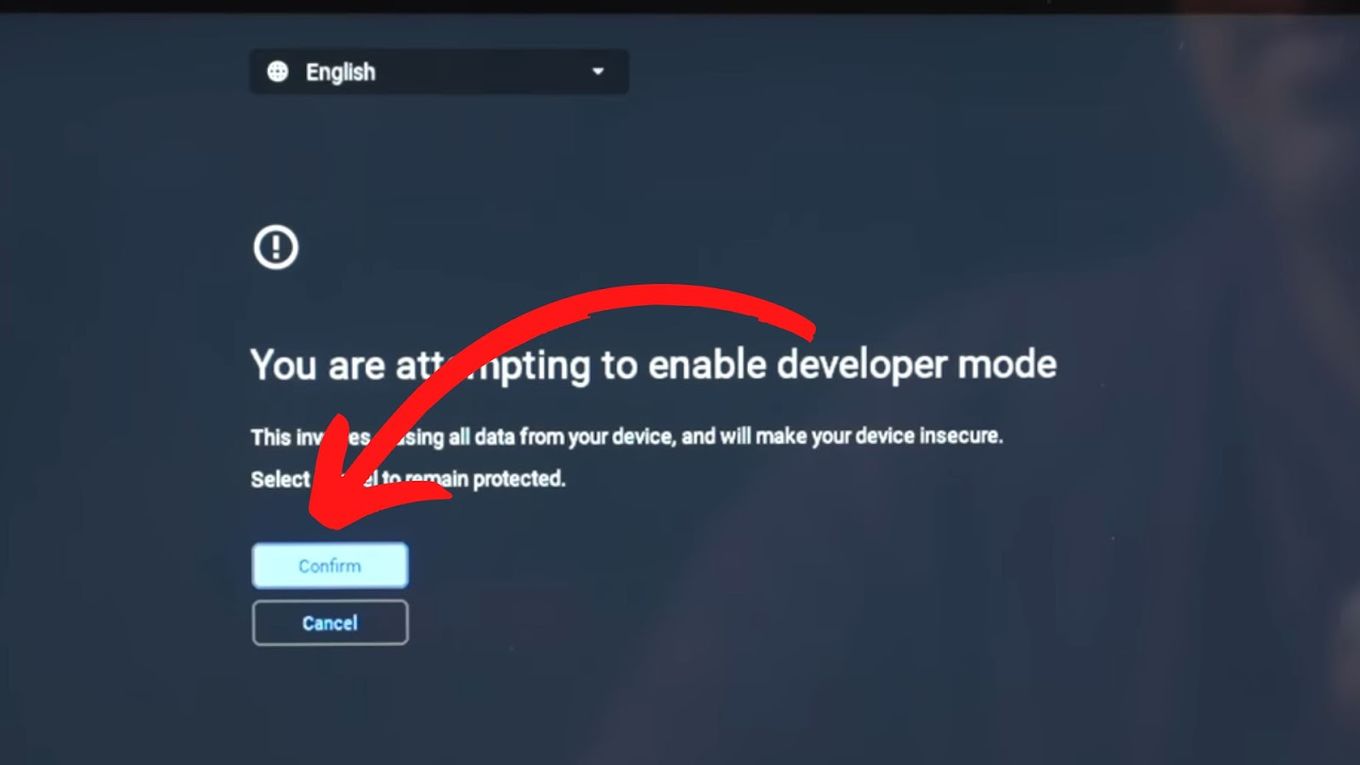
Step 3: Select Enable developer mode.
-
Step 4: Click Confirm, then wait for the reboot and Powerwash.
-
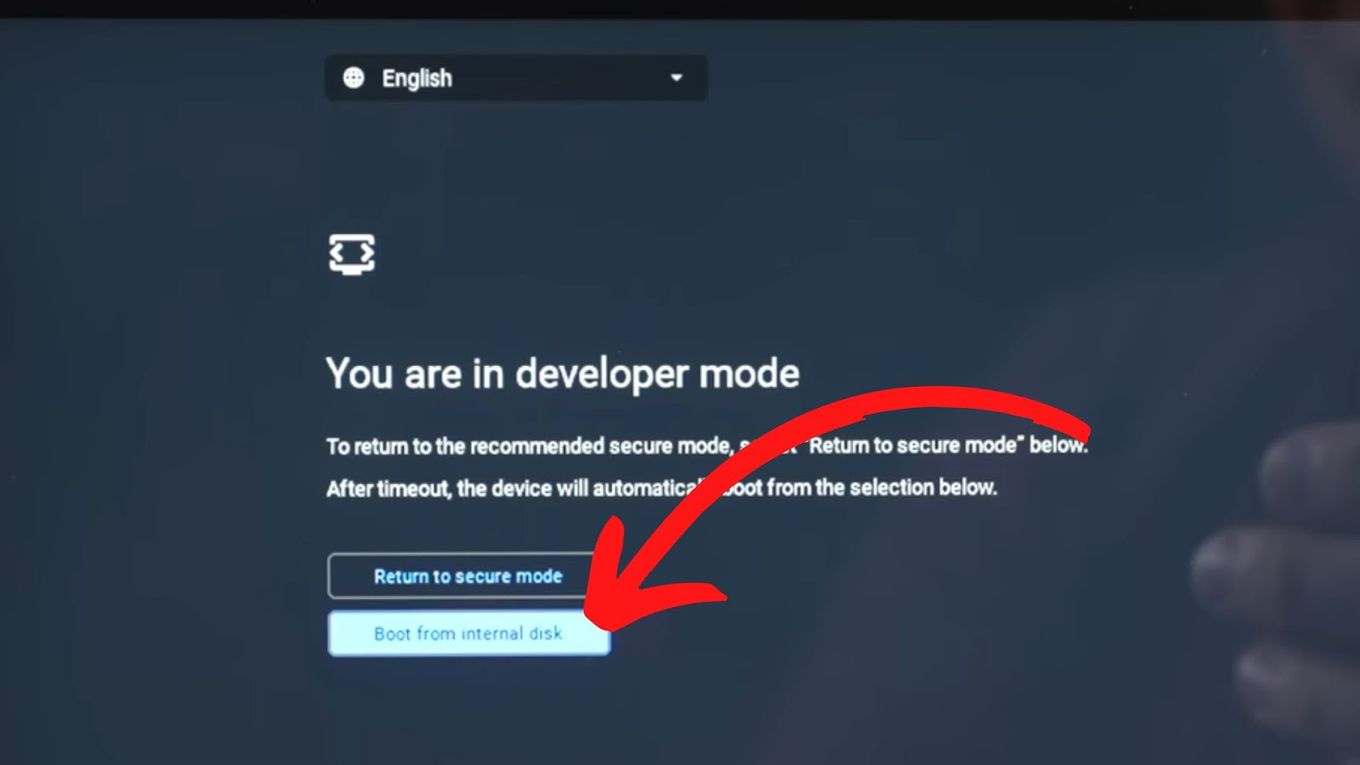
Step 5: On the boot screen, choose Boot from internal disk (or press Ctrl + D).
-
Step 6: Wait for the transition to finish, then complete setup.
How do you exit Developer Mode and go back to normal?
From the “OS verification is off” screen, follow the prompt (often Space) to re-enable OS verification, then confirm. ChromeOS will Powerwash again and return to standard verified boot.
What can you do after you jailbreak a Chromebook?
After enabling Developer Mode, you can run Linux in different ways, sometimes boot from USB, or (on supported models) change firmware for full control.
If you just want Linux apps, try Linux (Crostini) first
Crostini often does not require Developer Mode. Go to Settings → Developers → Linux development environment, then set it up. It’s the simplest option and easy to remove.
If you want a full Linux desktop on older devices, consider Crouton
Crouton runs a Linux desktop alongside ChromeOS, but requires Developer Mode and more maintenance. Stick to trusted documentation and avoid random scripts.
If you want Windows or full control, you need firmware changes (advanced)
Developer Mode alone is usually not enough for Windows. Full installs often need firmware changes (RW_LEGACY or full UEFI) and a supported model. Many devices also have write protection that may require opening the Chromebook. Use supported device lists and official instructions (for example, MrChromebox and Chrultrabook docs) and accept the bricking risk.
Can you jailbreak a school Chromebook?
Sometimes you can enable Developer Mode on an unmanaged school Chromebook, but if it is enterprise-enrolled, admin policies usually block it. Bypass attempts can violate school rules.
How to tell if a school Chromebook is managed
- Settings shows Managed by your organization (or similar wording).
- You must sign in with a school account, and Guest mode is disabled.
- Extensions, DNS, or filters are forced and cannot be removed.
What is realistically possible (and what is not)
Realistic: use allowed features, request Linux or specific apps for class, or use a personal Chromebook. Not reliable: removing enrollment, permanently disabling monitoring extensions, or bypassing network restrictions. Enrolled devices can re-enroll after wipes by design.
If your admin allows it and you need privacy on public WiFi, check out how to use a VPN on Chromebook.
What are the risks of jailbreaking a Chromebook?
The main risks are data loss from Powerwash, reduced security with OS verification off, and boot issues or bricking if you change firmware.
| Risk | How to reduce it |
|---|---|
| Local data wiped | Back up Downloads and offline files first, use Drive for anything important |
| More exposure to malware | Keep OS updated, avoid sketchy scripts, use a strong Google account login |
| Support and warranty friction | Expect less help from the manufacturer, revert to normal mode before requesting support |
| Managed device consequences | Get permission from the organization, assume policies will persist after resets |
| Bricking from firmware mods | Only use supported device lists and stable power, do not experiment on unknown models |
Why isn’t Developer Mode working (common problems and fixes)?
Most failures come from enterprise policy blocks, wrong key combos, or unsupported boot options.
Developer Mode option missing or blocked
If you never get a Developer Mode choice or it errors out, the Chromebook is likely managed and blocked by policy. Check Settings for “Managed by…”. Only the admin can change that, and wiping usually does not remove enrollment.
Stuck on “ChromeOS is missing or damaged”
This often means you’re in Recovery Mode. Create a ChromeOS recovery USB using the Chromebook Recovery Utility on another computer, reinstall ChromeOS, then retry the Developer Mode steps.
USB boot not showing
Not all models support USB boot easily, and Chromebooks do not have a standard PC BIOS. Some need RW_LEGACY or full UEFI for reliable USB boot. Confirm your exact model first.
Advantages of jailbreaking Chromebooks
- More control: access developer tools and lower-level settings.
- More software options: better paths to Linux tools and workflows.
- Potential OS flexibility: on supported models, you can explore alternate boot and firmware options.
Disadvantages of jailbreaking Chromebooks
- Local wipe: Developer Mode starts with a Powerwash.
- Less security: verified boot protections are disabled.
- More maintenance: you troubleshoot more, especially with Linux or firmware paths.
- Higher risk on managed devices: policies can block changes and re-enrollment can return.
Want more things to do? Here are 5 cool things to do on a Chromebook.
FAQ
Can you jailbreak a Chromebook without losing data?
No. Enabling Developer Mode triggers a Powerwash that wipes locally stored data and settings. Files in Google Drive stay safe. Back up Downloads, screenshots, and offline files, then sign back in to restore synced items.
Is it legal to jailbreak a Chromebook?
It depends on what you do. Enabling Developer Mode on a Chromebook you own is generally legal, but using it to bypass security controls, access restricted networks, or break school or workplace policies can be illegal or lead to disciplinary action. Follow local laws and device agreements.
Can you install Windows after jailbreaking a Chromebook?
Sometimes. Windows installs usually require an Intel-based Chromebook and firmware changes (often UEFI), not just Developer Mode. Many models are unsupported, and write protection may need to be removed. Check compatibility first, and expect driver and stability tradeoffs.
What is the easiest Linux option on a Chromebook?
Linux (Crostini) is usually the easiest. It runs inside ChromeOS without a full jailbreak on many newer Chromebooks. You enable it in Settings under Developers. It is safer than Crouton and firmware mods, but it may not be available on school-managed devices or older models.